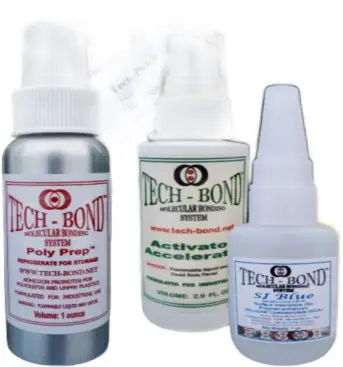
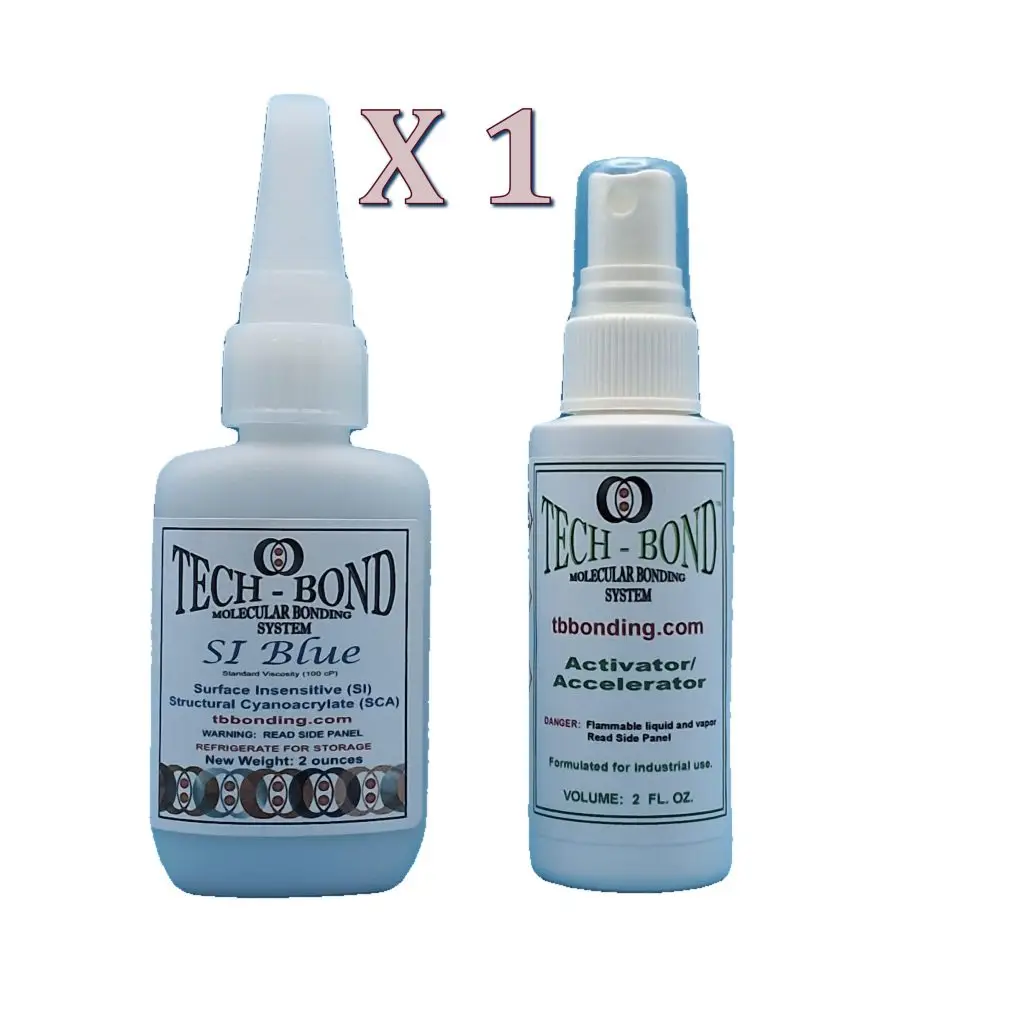
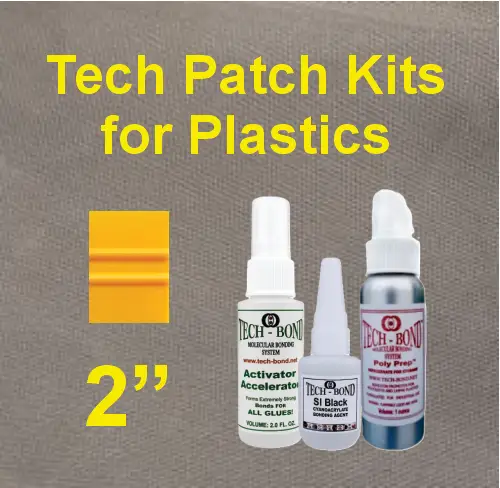
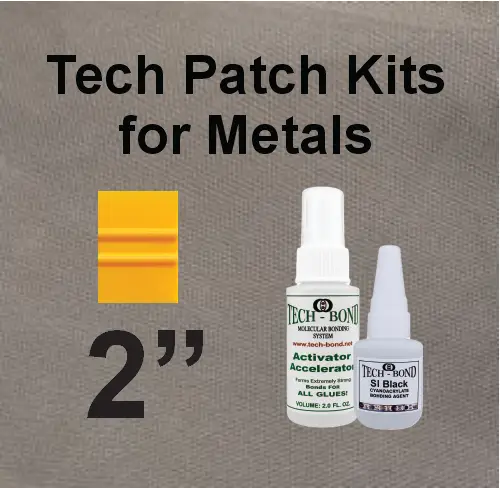
One Platform - The Tech-Bond Permanent Repair and Restoration Platform
Two Breakthrough Technologies
- The Polymer Bonding Process (the "Process") (patented)
- The Tech- Patch Repair System (TPRS™)
Choose your Solution path below.
The Polymer Bonding Process bonds any polymer to itself, to any other polymer and to almost any other substrate. This includes thermoplastic polymers such as: polypropylene, polyethylene, PVC, nylon, etc.
The video above is on bonding silicone rubber. The Process bonds all polymers, from siliocne rubber, an elastomer, to phenolic resins, which are thermoset polymers.
Have a hole or crack in steel pipe, in HDPE pipe, in copper pipe, in PVC pipe, in caste iron pipe, in cement pipe, in galvanized pipe, etc. Use an A-Patch to repair that hole or crack and permanently seal all leaks.
The video show how to repair HDPE pipe. Yes, TPRS does repair HDPE pipes AND tanks, including gas tanks. Save $$$$ by repairing instead of replacing
Polymer Bonding – Bond what others can not.
• Works on PTFE without sodium etc
• Works on polypropylene, HDPE, LDPE, nylon, silicone rubber, Delrin,
polycarbonate, UHME, FVMQ, etc.
• Eliminates creep & delamination
• Unifies dissimilar materials
• Industrial & R&D applications
Why the Process works so well.
1) Handles Low Surface Energy
Low surface energy materials (like PTFE, HDPE, and polypropylene) naturally resist bonding because adhesives cannot properly “wet out” and grip their surfaces. This is why traditional glues fail on these polymers.
2) Interface Layer Elimination
Traditional repairs rely on layered adhesive systems that create weak boundary layers between materials. Interface layer elimination means the bond becomes a unified structure rather than separate layers that can delaminate or creep over time. With the Process, all layers bcome molecularly integrated.
Moledcular integration prevents moisture penetration, delamination and creep. In other words, the failure points are eliminated.
3) Virgin PTFE Bonding
Virgin PTFE (unetched, untreated) is one of the most difficult materials to bond due to its extremely low surface energy. Virgin PTFE bonding refers to achieving a permanent bond without sodium etching or mechanical surface destruction.
The Polymer Bonded Process not only bonds Virgin PTFE to itself, but also to steel, other metals and other materials.
4) Thermal Conformance
Thermal Conformance is the bond’s ability to expand and contract with temperature changes at the same rate as the substrate — preventing cracking, separation, or stress failure during thermal cycling.
This happens because of sensitivity to heat that all polymers have.

Permanently repair pipes and tanks.
Seals holes, cracks and leaks permanently.
TPRS™ (Tech Patch Repair System) permanently seals cracks and holes in HDPE, steel, PVC, cast iron, and concrete pipes and tanks. The system creates a unified cross-linked structure that is moisture, fuel, and vapor proof — delivering a repair that is guaranteed for the life of the pipe..
TPRS on HDPE Pipe
An HDPE pipe with one layer of PTFE coated e-glass fabric , This version of TPRS was given an ASTM test. This test was conducted on 4″ diameter SDR 11 pipe rated at ~ 350 psi.
TPRS on Tanks
The Tech-Patch Repair System also permanently repairs tanks: Poly tanks, HDPE tanks, metal tanks, etc. Does not make if the tank holds water, chemicals, fertlizer of fuels. If the tank is a gas tank, click on the link below for detailed information on the repair of gas tanks.
“Why does Tech-Bond work so well?”
We often get asked the above question, or it’s companion “Why does your stuff work so much better than the other guys?” at trade shows. It has taken us years to understand our adhesive and the Polymer Bonding Process well enough to be a ablve to give an accurate, coherent answer. Similar to all polymers, the “Proof of Performance” had to be developed empirically. In other words, after the fact.
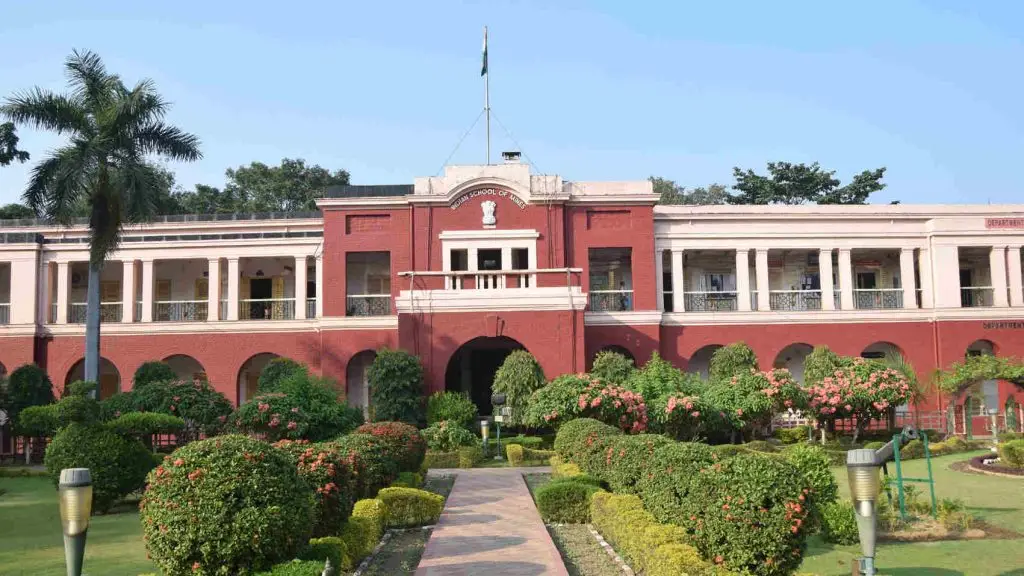
Field testing had to verify Tech-Bond’s performance. Our Bonding Agent’s ehnhanced performance has been verified in industries ranging from the polymer world, to taxidermy, to the solar industry, to funeral home, Tech-Bond has establiched new performance standards. Then those marks had to be verified in the lab by a qualified institution. Again, Tech-Bond met the mark. The institution performaning the test is the Indian Institute of Technology, the Indian School of Mines in Dhanbad, India, pictured below.
The Indian Institure of Technology, the Indian School of Mines (IIT, ISM)
Indian Institute of Technology (Indian School of Mines), Dhanbad (IIT–ISM) is one of India’s premier engineering and research institutions, with a historic leadership role in mining, materials science, and applied industrial technologies. Established in 1926 and later designated an IIT, the institute combines deep academic rigor with industry-connected research capabilities.
IIT–ISM is conducting independent testing and validation of Tech-Bond’s Polymer Bonding Process and TPRS™, and serves as the academic foundation for the Tech-Bond Global Center of Excellence (TBG CoE). The Center of Excellence formalizes research collaboration, performance verification, certification development, and advanced materials categorization—positioning IIT–ISM as the scientific anchor for global deployment of Molecular Integration technologies.
Molecular Integration
Molecular Integration (MI) is a next-generation bonding and restoration architecture that eliminates interface layers between materials. Instead of relying on “glue joints” and stacked laminates (where moisture pathways, delamination, creep, and aging begin), MI creates a unified structure that behaves like one continuous system. The result is a permanent performance layer—one that is moisture-, fuel-, and vapor-proof, unaffected by thermal cycling, and resistant to creep and delamination.
MI will become increasingly important across multiple industries because it directly addresses the primary failure mechanisms that drive maintenance cost and downtime:
- interface breakdown,
- corrosion initiation at seams,
- vibration fatigue,
- thermal cycling damage